
Have you ever wanted to try a sport that is fun, easy, and perfect for all ages? That sport is Padel. It’s one of the fastest-growing games in the world. People everywhere—from Spain to the Netherlands—are playing it. Many even search for NLPadel, which shows how big the sport is in Europe.
So, what equipment do you need to start playing Padel? This guide will give you all the answers. We’ll cover rackets, balls, shoes, bags, clothing, and accessories. You’ll also learn pro tips to choose the best gear for beginners and avoid common mistakes.
Before we begin, here’s a quick intro to our company. At Five Star Coder, we focus on creating smart digital solutions, guides, and blogs that solve real problems. Our goal is simple: make knowledge useful and easy for everyone. If you’re curious, check out one of our popular blogs here: Best Programming Languages for Beginners.
Now, let’s jump into your complete Padel equipment guide.
What Is Padel?
Padel is a mix of tennis and squash. You play it in doubles on a smaller court surrounded by glass walls. The game is fast, exciting, and social. That’s why so many new players are joining clubs, from Spain to NLPadel communities in the Netherlands.
It’s easy to learn, which makes it perfect for beginners and families. Unlike tennis, the ball can bounce off the walls, making rallies longer and more fun. The court is smaller, so players don’t need as much power to play well. Instead, teamwork and strategy are the most important skills.
This sport has become one of the fastest-growing in Europe and is now spreading worldwide. People love it because it’s not just about competition—it’s also about enjoying time with friends and staying active.
But like every sport, the right equipment makes a huge difference.
Why the Right Padel Equipment Matters
When you play with the right gear, you:
- Stay safe and avoid injuries
- Play more comfortably
- Improve faster
- Enjoy the sport more
This guide will show you the step-by-step gear you need to start your journey.
Essential Padel Equipment
| Equipment | Why It’s Important | Beginner Tip |
|---|---|---|
| Padel Racket | Your main tool to hit the ball | Choose a lightweight racket for control |
| Padel Balls | Balls designed only for Padel | Keep extras in your bag |
| Padel Shoes | Protect feet and give grip | Buy shoes made for courts |
| Padel Bag | Keeps gear safe and organized | Pick one with compartments |
| Clothing | Comfort for movement | Use breathable fabric |
| Accessories | Sweatbands, caps, grips | Boost comfort and focus |
Padel Racket: The Most Important Gear
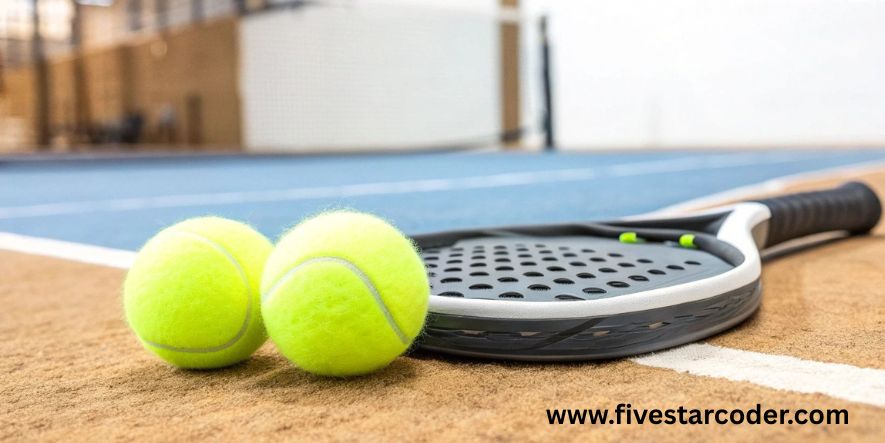
Unlike tennis rackets, a Padel racket has no strings. It’s solid with small holes.
Types of Padel Rackets
| Type | Shape | Best For |
|---|---|---|
| Round | Balanced | Beginners – easy control |
| Teardrop | Mix shape | Intermediate players |
| Diamond | Heavy top | Advanced players – more power |
👉 For beginners, always start with a round racket. It’s lighter, easier, and less risky for your wrist.
Padel Balls: Small but Crucial
Padel balls look almost the same as tennis balls, but they are a little smaller and have lower pressure. Because of this, rallies last longer, and players can enjoy a slower, more controlled game. This small change makes the sport beginner-friendly while still challenging for advanced players.
Another key point is durability. These balls wear out quickly, especially if you play often. After a few games, they lose bounce and feel flat, which can make matches less exciting. That’s why most players keep fresh ones in their bag.
Pro Tip: Carry at least two to three cans with you. Replace them when you notice the bounce is gone. Fresh balls give you a smoother game and more fun on the court. Whether you’re practicing or joining a local club like NLPadel, having the right set of balls is just as important as your racket.
Padel Shoes: Protect and Perform
Running shoes don’t work well for Padel. The game demands quick side-to-side movement, fast sprints, and sudden stops that regular trainers can’t handle. That’s why you need proper court shoes designed for safety and performance.
Features of Good Padel Shoes
- Strong grip for sharp direction changes without slipping
- Cushioning to reduce impact and keep your feet comfortable
- Ankle support that lowers the risk of sprains during fast turns
- Non-marking sole so you can play safely on indoor courts without leaving marks
Another key detail to notice is durability. Shoes for this sport often face heavy wear on rough surfaces, so a reinforced toe and sturdy sole make them last longer. Breathable materials are also important, especially during long summer matches.
👉 Always make sure your shoes are built for Padel or tennis courts before buying. Choosing the right pair not only improves performance but also protects your body from injury.
Padel Bag: Keep Your Gear Safe
Using a regular sports bag might seem fine at first, but it can quickly damage your racket and make your gear messy. A proper Padel bag is designed to protect your equipment, keep it organized, and make traveling easier.
What to Look For in a Good Bag
- Separate compartments for rackets, shoes, and clothes so items don’t mix
- Thermal lining to protect rackets from heat and moisture
- Waterproof material to keep everything safe from rain or spills
- Comfortable straps and padding for easy carrying on your back or shoulder
- Extra pockets for balls, grips, and personal items like keys or a phone
A high-quality bag doesn’t just carry your gear—it extends the life of your racket and shoes. Many players even keep an extra set of grips, socks, or a water bottle in the same bag so they’re always ready for a match.
👉 Investing in a strong Padel bag means you’ll spend less time worrying about your gear and more time enjoying the game, whether at local clubs or international courts.
Clothing for Padel
Comfort is the key when moving fast, but style also matters. The right clothes let you focus on the game instead of distractions like sweat or tight fabrics.
- T-shirts or polos made of breathable, quick-dry fabric help keep you cool.
- Shorts or skirts that stretch and allow free movement are a must.
- Sports socks with extra cushioning protect your feet during long matches.
- Light jackets or hoodies are useful for warming up or playing outdoors in cooler weather.
Many sports brands now design stylish Padel outfits, so you can feel confident and move freely on the court. Looking good often boosts confidence, and confidence improves performance.
Accessories That Help in Padel
These extras may seem small, but they can make a big difference in how you play:
- Overgrips: Improve racket grip, absorb sweat, and reduce hand strain.
- Sweatbands and wristbands: Keep sweat away from hands and eyes for better focus.
- Caps or visors: Shield your eyes from the sun in outdoor matches.
- Protective eyewear: Safeguards your eyes during fast rallies where the ball can bounce unexpectedly.
- Compression sleeves: Reduce muscle fatigue and help with recovery after long games.
- Knee or elbow supports: Provide stability and prevent common injuries.
- Lightweight towels: Perfect for wiping sweat between points.
👉 These accessories may not be mandatory, but they add comfort, safety, and confidence—three things every player needs for long-term improvement.
Cost of Padel Equipment
| Item | Price Range (USD) |
|---|---|
| Padel Racket | $80 – $300 |
| Padel Balls (Pack) | $5 – $15 |
| Padel Shoes | $60 – $150 |
| Padel Bag | $40 – $120 |
| Clothing | $20 – $100 |
| Accessories | $5 – $50 |
👉 Beginners don’t need to buy the most expensive gear. Mid-range options are best.
Common Beginner Problems with Padel Equipment
Starting out can be tricky if you don’t pick the right gear. Many new players face these issues:
- Racket too heavy → leads to wrist or shoulder pain
- Using tennis balls → makes rallies too fast and unpredictable
- Wrong shoes → causes slipping, blisters, or even ankle injuries
- Cheap grips → racket slips and reduces control
- No bag → rackets and shoes get damaged quickly
- Wearing cotton clothes → absorbs sweat, becomes heavy, and uncomfortable
- Not replacing balls often → old balls lose bounce and spoil matches
- Poor quality socks → increase risk of blisters and sore feet
- No protective eyewear → risk of eye injury during fast rallies
- Skipping accessories → like overgrips or wristbands that improve comfort
- Buying the wrong racket shape → affects power or control depending on your level
- Using indoor shoes on outdoor courts → wears them out faster and reduces grip
- Not carrying spare grips or balls → can leave you unprepared mid-match
- Ignoring racket balance → makes shots harder and strains your arm
- Overstuffing a small bag → shortens the life of your racket and shoes
👉 Solution: Always invest in equipment designed specifically for Padel, and choose items that match your skill level. The right gear prevents injuries, boosts confidence, and makes the game more enjoyable.
FAQs
What equipment do I need to start playing Padel?
To start, you need a Padel racket, balls, shoes, a proper bag, comfortable clothing, and small accessories like grips or sweatbands. These items help you play safely and enjoy the game.
Can I use tennis balls or rackets for Padel?
No. Tennis balls and rackets are different in size, weight, and design. Always choose gear made for Padel to avoid injuries and improve performance.
How much does beginner Padel equipment cost?
Beginner gear usually costs between $200–$400 in total. A basic racket is around $80–$150, balls $5–$15, shoes $60–$120, and a bag $40–$80.
What type of shoes are best for Padel courts?
The best shoes have strong grip, ankle support, cushioning, and non-marking soles. Court shoes made for tennis or Padel work best, while running shoes can cause slipping.
How do I maintain my Padel equipment?
Wipe your racket after play, store balls in dry places, clean shoes regularly, replace grips often, and keep your bag organized. Proper care makes your gear last longer and saves money.
How App Development Supports Your Padel Journey
Discover how Top Benefits of App Development for Businesses helps digital tools make sports like Padel more accessible—apps can track equipment, locate courts, and connect players in NLPadel communities.
The app-development blog shows how technology supports both learning and sporting performance by organizing training schedules, equipment checklists, and buying tips that enhance your Padel experience.
Maintenance Tips for Your Equipment
Taking care of your gear will make it last longer and perform better. Here are some practical tips:
- Wipe your racket after every game → use a soft cloth to remove sweat and dust.
- Store balls in a dry place → moisture affects bounce and pressure.
- Replace grips often → fresh grips improve comfort and prevent slipping.
- Wash sportswear in gentle cycles → this keeps fabrics breathable and durable.
- Keep shoes clean and dry → dirt reduces grip, and wet shoes can wear out faster.
- Use a protective racket cover → shields against scratches and accidental damage.
- Air out your bag → prevents bad odors and mold build-up.
- Rotate between two rackets if possible → reduces wear and extends racket life.
- Check shoe soles regularly → replace them if the grip starts to fade.
- Keep spare overgrips and balls in your bag → so you’re always ready for a match.
- Don’t leave equipment in hot cars → extreme heat can damage rackets and balls.
- Organize gear in compartments → helps protect delicate items from pressure.
- Dry sweatbands and accessories after play → prevents bacteria build-up.
👉 Proper maintenance ensures your Padel gear stays reliable, saves money in the long run, and keeps your game sharp.
Quick Checklist Before Playing
✔ Racket (round shape for beginners)
✔ Two cans of balls
✔ Proper court shoes
✔ Sports clothing
✔ Organized Padel bag
✔ Accessories (grips, sweatbands, cap)
Final Thoughts
Starting Padel is exciting, and having the right equipment makes it even more fun. From rackets to shoes, every piece of gear adds to your comfort and performance. Whether you’re joining a local club or looking up NLPadel for matches in the Netherlands, this guide gives you everything you need.
At Five Star Coder, we aim to make guides that help people in sports, learning, and life. For more, check out our blogs: 👉 https://fivestarcoder.com/blog/
Now that you know the equipment basics, grab your gear and step onto the court. Padel is waiting for you!
Custom Message
Please don’t forget to leave a review.